Trezor Bridge: A Complete Guide
Trezor Bridge is an essential software component that enables smooth communication between Trezor hardware wallets and web browsers. It acts as a secure connection layer, allowing users to manage their cryptocurrencies safely through the Trezor Suite or supported third-party applications. Without Trezor Bridge, browsers would not be able to detect or interact with a Trezor device properly.
At its core, Trezor Bridge replaces older browser-based extensions that were previously required to connect hardware wallets. Modern browsers have tightened security policies, which made traditional plugins unreliable. Trezor Bridge solves this problem by running as a small background service on your computer. Once installed, it automatically detects your Trezor device when connected via USB and ensures stable, encrypted communication.
One of the key advantages of Trezor Bridge is enhanced security. Since it operates locally on your system, sensitive data such as private keys never leave the hardware wallet. The bridge only transfers public information and signed transactions, ensuring that critical cryptographic operations remain securely inside the Trezor device. This design significantly reduces the risk of malware or phishing attacks targeting browser extensions.
Trezor Bridge is compatible with major operating systems, including Windows, macOS, and Linux. Installation is straightforward: users simply download the appropriate version from the official Trezor website, install it, and restart their browser if necessary. Once installed, the bridge runs quietly in the background and updates automatically, ensuring compatibility with the latest browser and wallet updates.
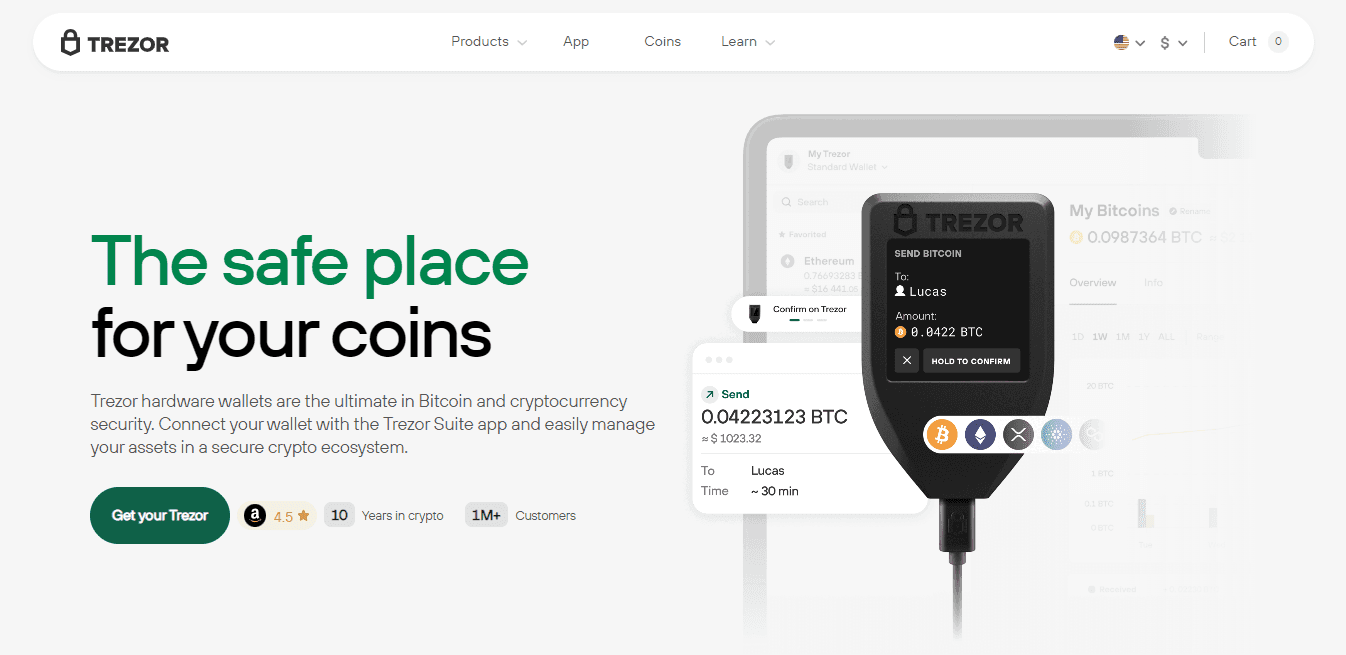
Another important benefit of Trezor Bridge is its seamless integration with Trezor Suite. Through this interface, users can send and receive cryptocurrencies, manage multiple accounts, track portfolio balances, and even interact with advanced features such as staking or token management, depending on supported assets. Trezor Bridge ensures that these actions are executed smoothly and without interruption.
For users who interact with decentralized applications or third-party wallets, Trezor Bridge also plays a crucial role. Many external services rely on it to establish a trusted connection with the hardware wallet. This allows users to safely sign transactions, authenticate ownership, and participate in blockchain ecosystems without exposing private credentials.
Troubleshooting Trezor Bridge is generally simple. Common issues, such as the device not being recognized, can often be resolved by checking USB connections, ensuring the bridge is running, or reinstalling the software. Keeping both the bridge and firmware up to date is recommended for optimal performance and security.
In conclusion, Trezor Bridge is a vital component for anyone using a Trezor hardware wallet. It provides a secure, reliable, and user-friendly way to connect your device to web applications and manage digital assets with confidence. By combining strong security principles with modern browser compatibility, Trezor Bridge continues to be a cornerstone of the Trezor ecosystem.